9+ curated guides • Updated August 2025
You think you know 90s grunge accessories: the worn-in Doc Martens, the slouchy beanie, the ever-present flannel tied around the waist. But what if the most radical thing about these items wasn't their angst, but their androgyny? This wasn't just about looking disheveled; it was about dismantling the very idea of 'his' and 'hers' fashion, one combat boot at a time. While the iconic musicians of the era—from Kurt Cobain in his thrift-store cardigans to Layne Staley in his oversized sunglasses—became reluctant style icons, the true revolution was happening at the granular level of accessories. These were not statements of glamour or rebellion in the vein of punk or glam rock. Instead, they were artifacts of practicality, comfort, and anti-consumerist sentiment that, by their very nature, existed outside the rigidly gendered fashion system of the time. This article delves into how this accidental androgyny laid the groundwork for the fluid expressions of identity we see today.
When a star passes, we often look back at their greatest hits. But what about their final creative act? This article goes beyond the highlight reel to explore the last song recorded, the final scene filmed, or the last chapter written, offering a unique and poignant look at the work that became their final echo. We treat these final works not as footnotes, but as unintentional codas—pieces of art imbued with a profound, unscripted significance. By examining these last creative gasps, we gain a unique perspective on an artist's journey, witnessing the final evolution of their craft and, perhaps, a glimpse into their truest self at the very end.
You've clicked through every FAQ and the chatbot is running you in circles. Now you're hunting for a phone number as a last resort, bracing for an eternity of hold music. But what if you had the cheat codes to their phone system? We're not just giving you the number; we're giving you the secret playbook to get your problem solved by a real person, fast. After years of navigating these digital labyrinths, I've mapped out the shortcuts, the traps, and the direct lines to the people who can actually make things happen. Forget what the official website tells you; this is the real menu.
Look past the runway and closer at the clean lines and rigid form of today's most coveted accessory. The box bag trend isn't just a style moment; it's a masterclass in miniature architecture. These aren't just bags—they are meticulously constructed objects, challenging us to see our personal style through the eyes of a designer. They are handheld edifices, pocket-sized pavilions demanding we consider the principles of structure, materiality, and the deliberate use of negative space in our daily wardrobe. Before you dismiss it as another fleeting trend, I invite you to see it for what it truly is: a foundational shift in how we perceive the objects we carry.
In a world saturated with logo-heavy totes and micro-purses vying for 'it-bag' status, the most powerful statement is one of stylish refusal. The Ganni keychain wallet isn't just a place for your cards; it's a declaration of freedom from sartorial baggage, proving that the chicest thing you can carry is, well, almost nothing at all. It signals a shift in the cultural currency of style, moving away from the visible weight of wealth towards the invisible confidence of a life well-edited. This small piece of recycled leather is less an accessory and more a philosophy clipped to your jeans—a testament to the idea that true luxury is not what you can acquire, but what you can live without.
For decades, we've watched 'Days of Our Lives' characters survive amnesia, affairs, and even demonic possession. But what if the show's greatest drama isn't on screen? We're not just listing celebrity gossip; we're investigating whether a career spent navigating fictional chaos provides a unique, and very public, playbook for surviving the scandals of real life. This isn't about actors being as dramatic as their characters; it's about the psychological conditioning that comes from living in a world of perpetual crisis. We're exploring the 'Salem Effect'—the theory that the relentless, high-stakes narrative machinery of a soap opera is the ultimate, albeit unintentional, boot camp for managing the modern celebrity scandal.
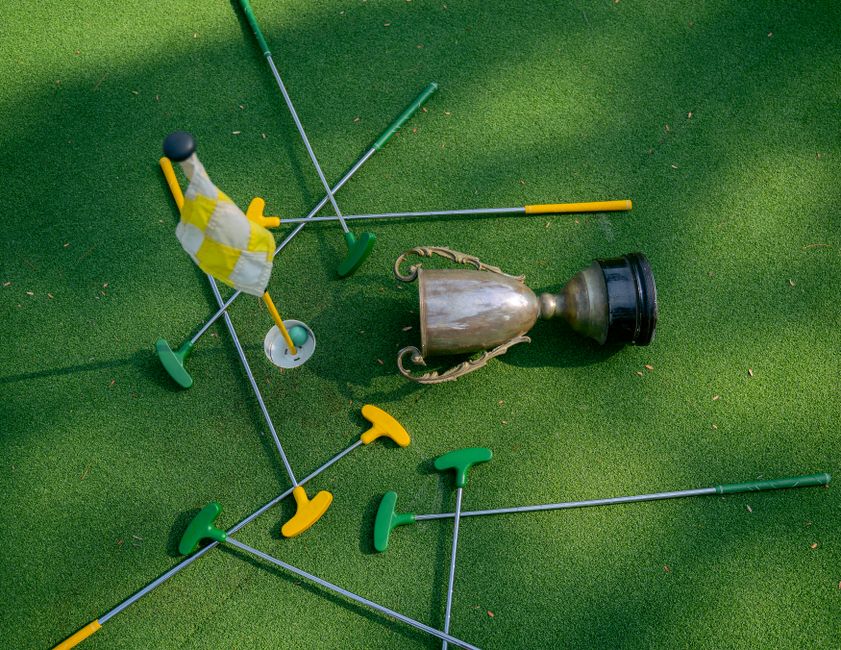
Forget the leaderboards and long drives. The most fascinating competition at the Tahoe celebrity golf tournament isn't for a trophy, but a public battle of ego, pressure, and unscripted personality. We're peeling back the polished veneer to see what happens when A-listers are forced to be vulnerable, competitive, and truly themselves in front of thousands. This event is not a sporting competition; it's a social petri dish. Under the guise of a charity game, we witness a live-action experiment in emotional regulation, where the manicured fairways become a stage for the raw, unfiltered human condition. It's where the carefully constructed brand of 'celebrity' dissolves under the Sierra sun, replaced by the far more compelling reality of the person.
Everyone tells you to focus on the 4Cs when buying a diamond, but that's exactly what Blue Nile wants you to do. The real secret to getting the best value isn't finding the 'perfect' diamond on paper; it's finding the 'perfect' diamond for the price by identifying the flaws the system overvalues. Forget the standard advice—we're going to show you how to game their algorithm to get a visually stunning ring for hundreds, or even thousands, less. Blue Nile is a massive database, not a boutique jeweler. Its pricing is driven by algorithms that apply premiums and discounts based on a diamond's GIA report data. This automation is its weakness, and it’s our opportunity. We're going to bypass the crowded, overpriced search results for 'VVS1, G Color' stones and dive into the overlooked inventory where true value is hiding in plain sight. This guide provides a step-by-step process for exploiting the data points the average buyer ignores, allowing you to pay for what you see, not what's written on a certificate.
That intricate jhumka you adore or the grand temple necklace you save for special occasions holds more than just precious stones. It carries the echo of ancient architecture—the blueprint of a palace arch, the filigree of a royal window, the curve of a majestic dome. Join us as we decode the hidden architectural language in your favourite ethnic pieces, revealing a story of design that spans centuries from grand buildings to intricate beadwork. This is not merely ornamentation; it is the practice of carrying a piece of a monument with you, a wearable testament to a civilization's grandest artistic achievements. We will move beyond the surface-level beauty and venture into the very structure of these pieces, revealing how a goldsmith's bench becomes a miniature architect's studio.